
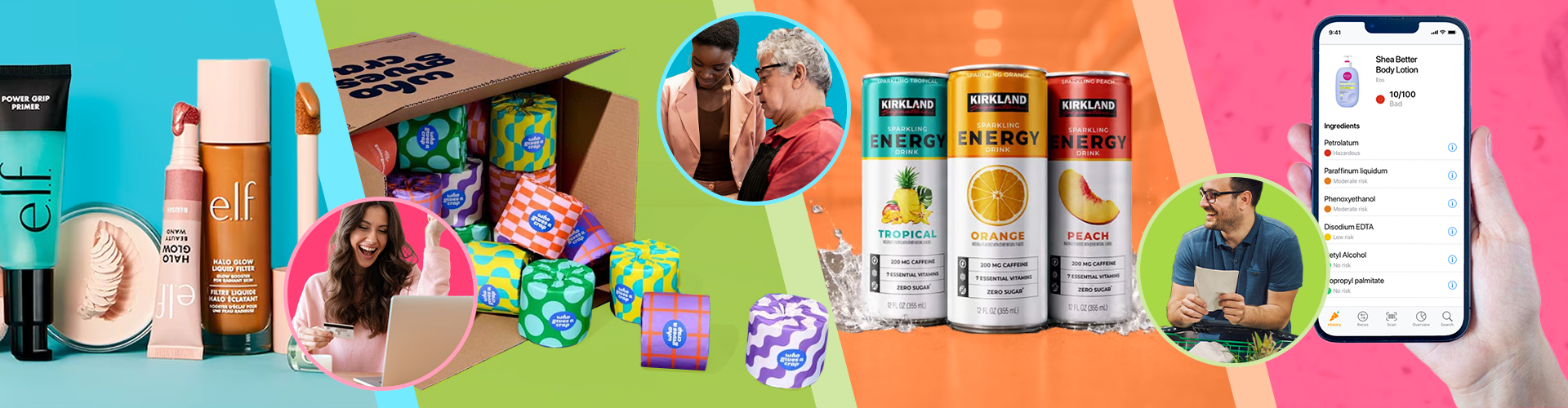
Sure, a product’s value is based on price, but it also is enforced by several other characteristic such as accessibility, experience and healthy principles. It’s time for retailers and brands to rethink why a shopper would want their goods beyond a competitive price, and then figure out how to deliver. We offer three shopper-informed tips.
What Are Consumers Shopping For, and What Are They Finding?
It’s one of the big questions in everyone’s shopping life today – consumers, brands and retailers. Which product or service best meets my XYZ needs while also satisfying my new requirements for price, ease and principles?
After all, every stipulation a shopper feels pressured to meet in economic hard times must also be met by retailers and brands.
There are many conflicting requirements now: the urgency to save money, demand for ingredients that are acceptable and healthy, a level of innovation that ensures both good quality and differentiation. And, importantly, consumers want retailers to give them a sense of financial control and security in these chaotic times..
Further complicating matters, shoppers are trying to satisfy these preferences while being bombarded with a confluence of products at every price point.
Indeed, the new competition in “value” shopping extends well beyond basic in-house labels. It includes niche ankle-biters that answer to tailored shopper desires and national chains curating high-margin products to suit specialized tastes.
Shoppers Are Following New-Value Solutions All Over
Our How America Shops® research shows this competition is bubbling up across all categories, from beauty and wellness to household goods and food and beverage. Shoppers are conditioned to expect a better price to eventually show up, therefore value has to embody more than what’s on the sticker.
How do you define it in your goods? Consider these findings:
- Retailers (and especially brands) should assume shoppers do not trust them. Back in 2024, 38% to 45% of shoppers told us they did not trust retailers to provide good value, our How America Shops® research reveals.
- Shoppers’ belief in brands is fading. Three in five shoppers surveyed believed brands cared less about product quality than they had in the past. And make no mistake, shoppers have long memories.
- Brand-ditching is rising. As a result of shrinkflation, 61% of shoppers said they buy some brands less often, opting for alternatives.
- Corner-cutting is rising, too. 0ne in three shoppers choose simpler products with fewer features in order to save money, according to a new report by Omnisend.
The takeaway: Retailers and brands need to reinforce why their goods are worth buying at every touch point, every day.
Examples of Retailers, Brands and Resources Reshaping Value
However, reinforcing the value equation requires reconsidering what goes into making something a value. In the shopper’s mind, what separates “better” from “good” depends on nuanced benefits retailers and brands can’t exactly put a price on. Consider these examples.
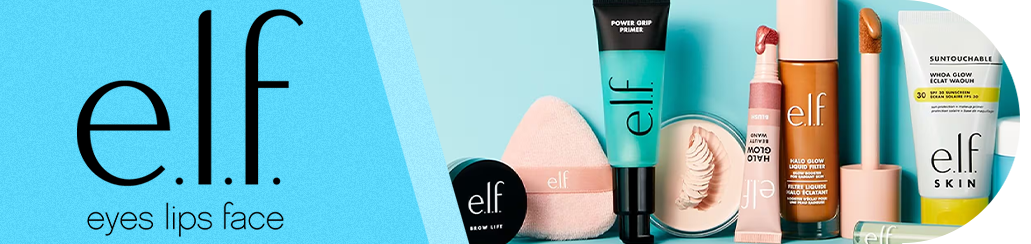
The Elf Cosmetics factor. The beauty brand started off as cheap and cheerful alternative to national and department store lineups, especially among young consumers. Then Elf’s easy availability and friendly prices built into a major contender. Several fashion brands – H&M, Quince, Yes Friends, Old Navy – have achieved similar success by keeping their value framework similarly easy to understand.
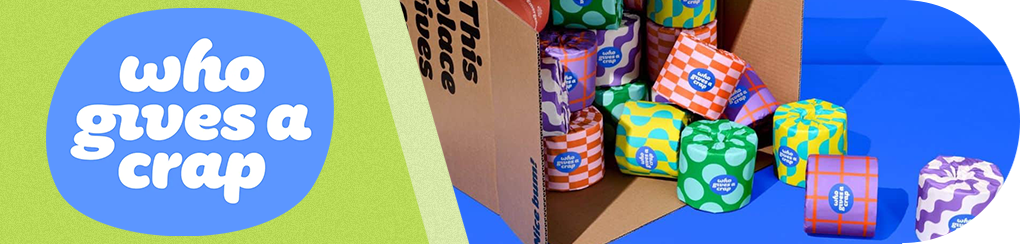
The toilet paper revolution. Who Gives a Crap?, a direct-to-consumer toilet paper brand, is redefining a basic category by ticking off a range of “value” boxes: eco-friendly yet affordable, uniquely fun yet strangely personalized. And it’s subscription based, making Who Gives a Crap? one-and-done easy.
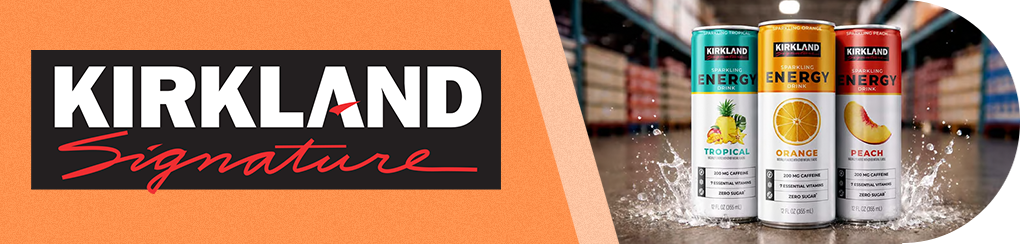
The Costco energy play. The warehouse club recently launched an energy drink under its Kirkland Signature house label that’s nearly half the price that Celsius charges. Further, the addition mimics some of Celsius’ most popular flavors and ingredients (zero sugar, seven essential vitamins, same caffeine content). The cherry on top: Kirkland Signature Sparking Energy Drink adds to Costco’s “treasure hunt” appeal.
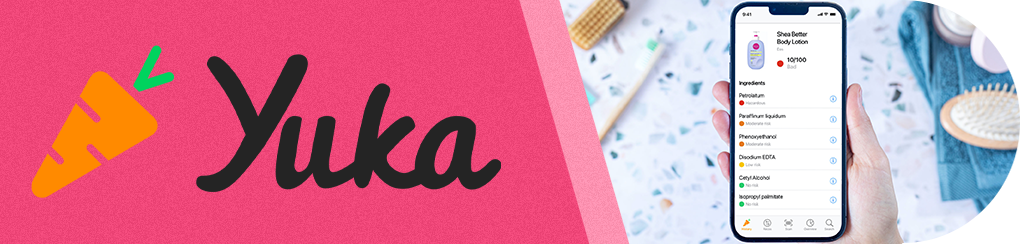
Resources that sniff out wellness value. Easy-access apps such as Yuka enable shoppers to scan labels and immediately learn which products are good for them and which are not. Yuka then suggests healthier alternatives, serving as a trusted shopper advocate. It can help a shopper decide, for example, whether to buy Celsius or Kirkland Signature Sparking Energy Drink.
How to Communicate Value: Our 3 Guidelines
Retailers and brands need to factor in the new values these competitive brands offer as they think about their own pricing. They should ask: How do our shoppers find the price point they can afford on any day? And how do we incorporate strategy and innovation into our pricing models without overcomplicating the shopper process?
The solution is not a formula, but a broader framework in which price is just one support beam in value-building. Here are three others.
- Give shoppers financial control. Affordability entails transparent pricing, so make it clear. By knowing what they get in exchange for their dollars, shoppers feel smarter and more confident they are spending the right amount on what is most important to them.
- Save time through accessibility. Shoppers don’t need to be cognizant of the time-savings; products should simply be available to fill a need when it arises for the shopper. Such omni-convenience would ideally apply to everyday commodities as well as nice-to-have discoveries.
- Show you care. Every single shopper wants to feel relevant, and they achieve this in part by shopping brands and retailers that have Those that demonstrate honesty, fair pricing (particularly in wellness) and social values for the entire community will stand apart.
These essential guidelines apply across all categories and touchpoints. And their success can be measured, through repeat shopping visits, bigger baskets and better-engaged workers.
And make no mistake, these qualities determine the real value of brands and retailers for today’s shopper, as well.
WSL Strategic Retail regularly conducts national consumer surveys for our How America Shops® research reports. To access our How America Shops® library, click here. If you are not a subscriber, you can learn about becoming one here.